
Eco-Luxury in Komodo: Low-Impact Travel Without Compromise
How eco-luxury works in Komodo: the 1,000-per-day quota as a feature, reef-safe practices, local crews, responsible dragon viewing, and choosing credentialed…
May 20, 2026 · 8 min read
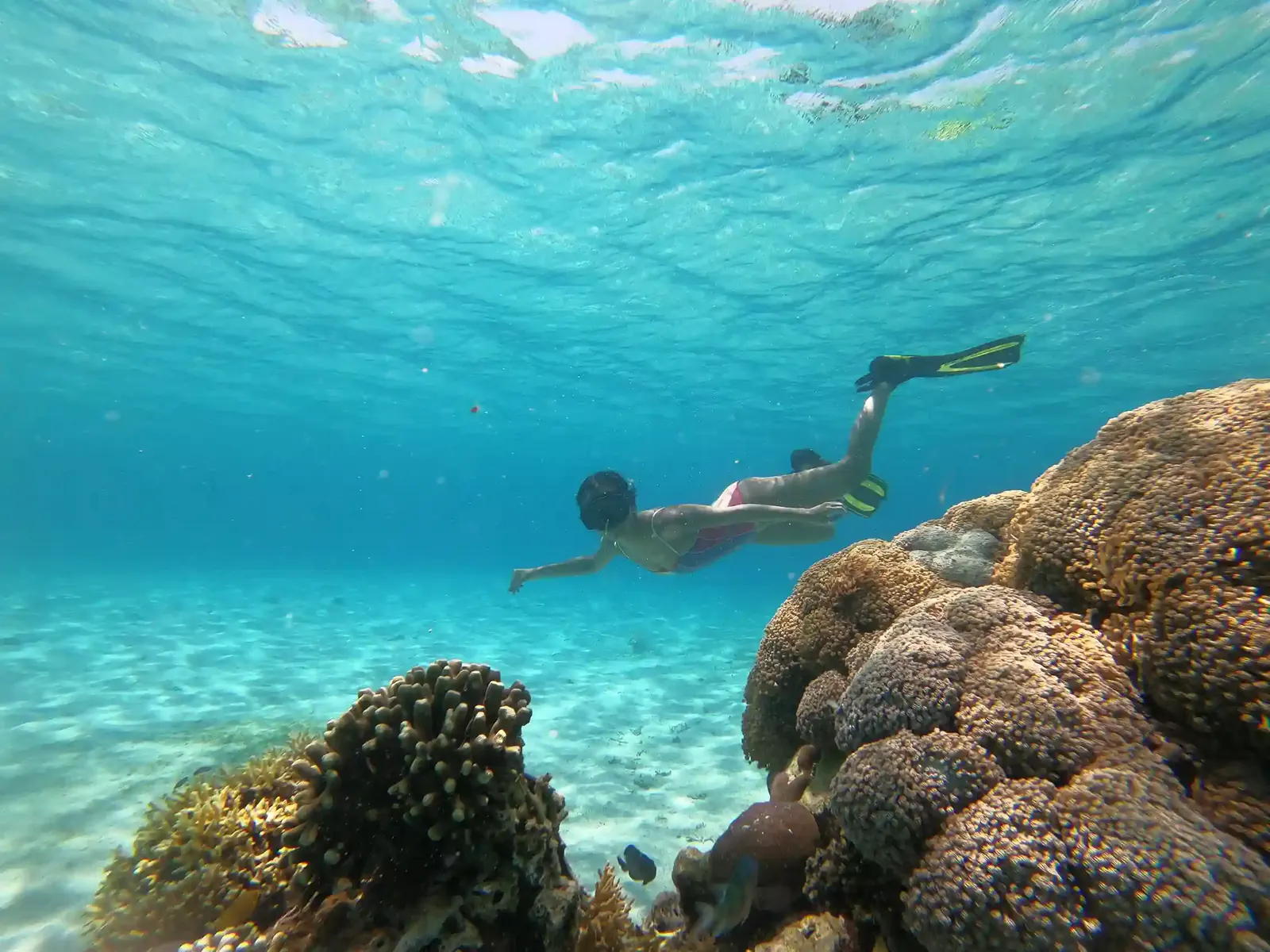
Eco-luxury in Komodo means travelling lightly while wanting for nothing: a private vessel run on reef-safe practices, a local crew with deep knowledge of the park, dragon encounters guided by trained rangers, and the assurance that your visit supports the place you have come to admire. In Komodo, restraint and refinement are not opposites; they are partners.
The most discerning travellers no longer measure a journey by what it consumes. They measure it by what it leaves behind, and increasingly that means an undisturbed reef, a thriving community, and a national park protected for the next generation. Komodo National Park, a UNESCO World Heritage Site and named the second most beautiful place in the world by Time Out in 2026, is precisely the kind of destination where this ethic matters most. What follows is how low-impact luxury actually works here, and how to recognise the operators who practise it in earnest.
The quota is a feature, not a drawback
From April 2026, Komodo National Park admits a maximum of one thousand visitors each day. To some this reads as a limitation. To anyone who values the experience, it is the single most important conservation measure the park has ever introduced, and a quiet luxury in itself.
A daily cap means the dawn ridge at Padar is not a queue. It means the dragons are observed rather than crowded, the reefs at Pink Beach are spread thinner with snorkellers, and the savannah trails of Rinca retain their primeval stillness. Scarcity protects both the ecology and the atmosphere, and the result is the rarest commodity in modern travel: space.
The practical consequence is straightforward. With fewer permits available each day, the finest vessels and the most coveted slots are secured well in advance. Early planning is no longer merely prudent; it is the only way to guarantee the experience you envisage. Understanding the park’s access rules is the first step, and our guide to the Komodo entry fee and quota for 2026 sets out exactly what to expect.
Reef-safe practice, properly understood
Komodo’s waters are among the richest on earth, and they are also fragile. Genuine eco-luxury begins below the waterline, where the difference between a responsible operator and a careless one is measured in living coral.
The markers are specific. Vessels should anchor only in designated sandy areas or use mooring buoys, never dropping anchor onto reef. Guests should be briefed never to touch or stand on coral, and provided with reef-safe sunscreen free of oxybenzone and octinoxate, which bleach coral even in trace amounts. Waste should be retained on board and landed properly, with single-use plastics designed out rather than merely reduced. Grey water and fuel handling should follow strict protocols, and snorkelling and diving groups should be kept small and well supervised.
None of this diminishes the experience. A small, expertly guided group in clear water above an intact reef is incomparably finer than a crowded one above a damaged one. The luxury and the responsibility are the same thing.
Local crews and the communities of the park
The villages of the Komodo region are part of the park, not separate from it. The most credible eco-luxury operators are those whose crews, guides and dive masters are drawn from the islands and from Labuan Bajo, and whose presence sustains local livelihoods rather than displacing them.
This matters for more than ethics. A captain raised on these waters reads the currents at Manta Point by instinct. A guide who grew up near Rinca knows where the dragons rest in the heat of the day and how to keep a respectful distance. A crew with roots in the community treats the park as a home to be cared for, not a backdrop to be exploited. The depth of an encounter is, in the end, a function of who is leading it.
As a single operator with our own fleet and our own people, we keep this knowledge in-house. The same crew who welcome you aboard are the ones who understand the park most intimately, and the result is both safer and more rewarding.
Responsible dragon viewing
The Komodo dragon is the reason many travellers come, and seeing one in the wild is among the great wildlife encounters of Asia. Done properly, it is also entirely safe and entirely respectful. The animals are dangerous only when approached carelessly; with an experienced ranger setting the pace and the distance, an encounter is calm, controlled and unforgettable.
Responsible viewing means walking in small groups, never feeding or attempting to touch the animals, never using flash, and following the ranger’s instruction without exception. It means observing the dragons in their own domain rather than engineering a spectacle, and leaving the savannah exactly as you found it. The walk reveals far more besides: deer, wild boar, sea eagles overhead and panoramic views to the sea. To understand the creature and its habitat before you go, our guide to Komodo Island offers the full picture, and our wider destinations collection covers the park’s other singular places.
Choosing an operator with real conservation credentials
The word sustainable is used freely and proven rarely. For a values-driven traveller, the task is to separate genuine practice from marketing, and a few direct questions reveal a great deal.
Ask how the vessel handles waste, anchoring and grey water. Ask whether the crew is local and how they are employed and paid. Ask about group sizes, sunscreen policy and the briefing guests receive. Ask whether the operator owns its fleet or subcontracts, because accountability follows ownership. A serious operator answers all of this readily and specifically; a superficial one deflects to brochures.
The finest expression of low-impact travel pairs this rigour with the comfort of a private voyage, where small numbers and considered practice come naturally. Explore how it works across our cruise collection, where each vessel and itinerary is composed with both refinement and responsibility in mind.
Luxury and conservation, aligned at last
For too long, the language of travel has set indulgence against responsibility, as though caring for a place meant accepting less. Komodo proves the opposite. The quota that limits crowds also protects your solitude. The reef-safe practice that guards the coral also gives you clearer water. The local crew who sustain their community also deliver the deepest encounters. Restraint, here, is the height of luxury.
Begin your Komodo voyage on the Bali to Komodo home page, where the full collection of journeys is gathered.
Begin your low-impact voyage
The pleasure of travelling well is greatest when it costs the destination nothing. As a single operator with our own fleet, local crew, experienced dive masters and a 24/7 concierge, we craft each Komodo voyage to be as light on the park as it is rich for you, from your Bali arrival to the final sunset over the Flores Sea. For travellers seeking restoration as well as responsibility, our companion guide to wellness at sea in Komodo explores the quieter pleasures of a voyage.
Tell us your dates, your party and the experiences you most value, and we will compose a journey that honours both. Speak to a Komodo specialist any time. Message our concierge on WhatsApp at +62 811 3941 4563 or write to [email protected], and we will tailor a low-impact Bali to Komodo voyage entirely around you.
Frequently Asked Questions
What does eco-luxury mean in Komodo?
Eco-luxury in Komodo means a refined private voyage that treads lightly: reef-safe practices, retained waste, local crews, small guided groups and responsible dragon viewing. Nothing in the experience is compromised. Instead, restraint enhances it, delivering clearer water, fewer crowds and deeper encounters, while ensuring your visit supports the park and its communities rather than depleting them.
Is the Komodo visitor quota a problem for travellers?
No. The daily cap of one thousand visitors, in effect from April 2026, is a conservation benefit and a luxury in itself. It keeps the dawn ridge at Padar uncrowded, the dragons undisturbed and the reefs less pressured. The only practical implication is that the finest vessels and slots sell out early, so advance planning is essential.
How do I know if a Komodo operator is genuinely sustainable?
Ask specific questions. How is waste, anchoring and grey water handled. Is the crew local and properly employed. What are the group sizes and the sunscreen policy. Does the operator own its fleet or subcontract. Genuine operators answer readily and in detail, because accountability follows ownership. Vague, brochure-led replies are a reliable warning sign.
Is it safe and ethical to see Komodo dragons in the wild?
Yes, when done properly. The dragons are observed with an experienced ranger who sets a respectful distance and pace. Guests walk in small groups, never feed or touch the animals, and never use flash. The encounter is calm, controlled and safe, and the animals remain undisturbed in their own habitat, exactly as responsible wildlife viewing requires.
What is reef-safe practice on a Komodo cruise?
Reef-safe practice means anchoring only on sand or mooring buoys, never on coral, and briefing guests never to touch or stand on reefs. It includes reef-safe sunscreen free of oxybenzone and octinoxate, retained waste, designed-out single-use plastics, and small, supervised snorkelling groups. These measures protect Komodo’s exceptional marine life while making the underwater experience clearer and finer.
Can a luxury Komodo trip really be low-impact?
Yes, and the two reinforce one another. A private voyage naturally carries small numbers, which suits the park’s conservation goals. Reef-safe operation gives you clearer water, local crews deliver richer encounters, and the daily quota protects your solitude. Far from a compromise, low-impact travel in Komodo is the most refined way to experience it.
Continue planning