
Best Time to Visit Komodo Island: Month-by-Month Guide (2026)
The best time to visit Komodo Island is the dry season, April to December, for calm seas and clear water.
Updated October 2026 · by the Bali to Komodo concierge team
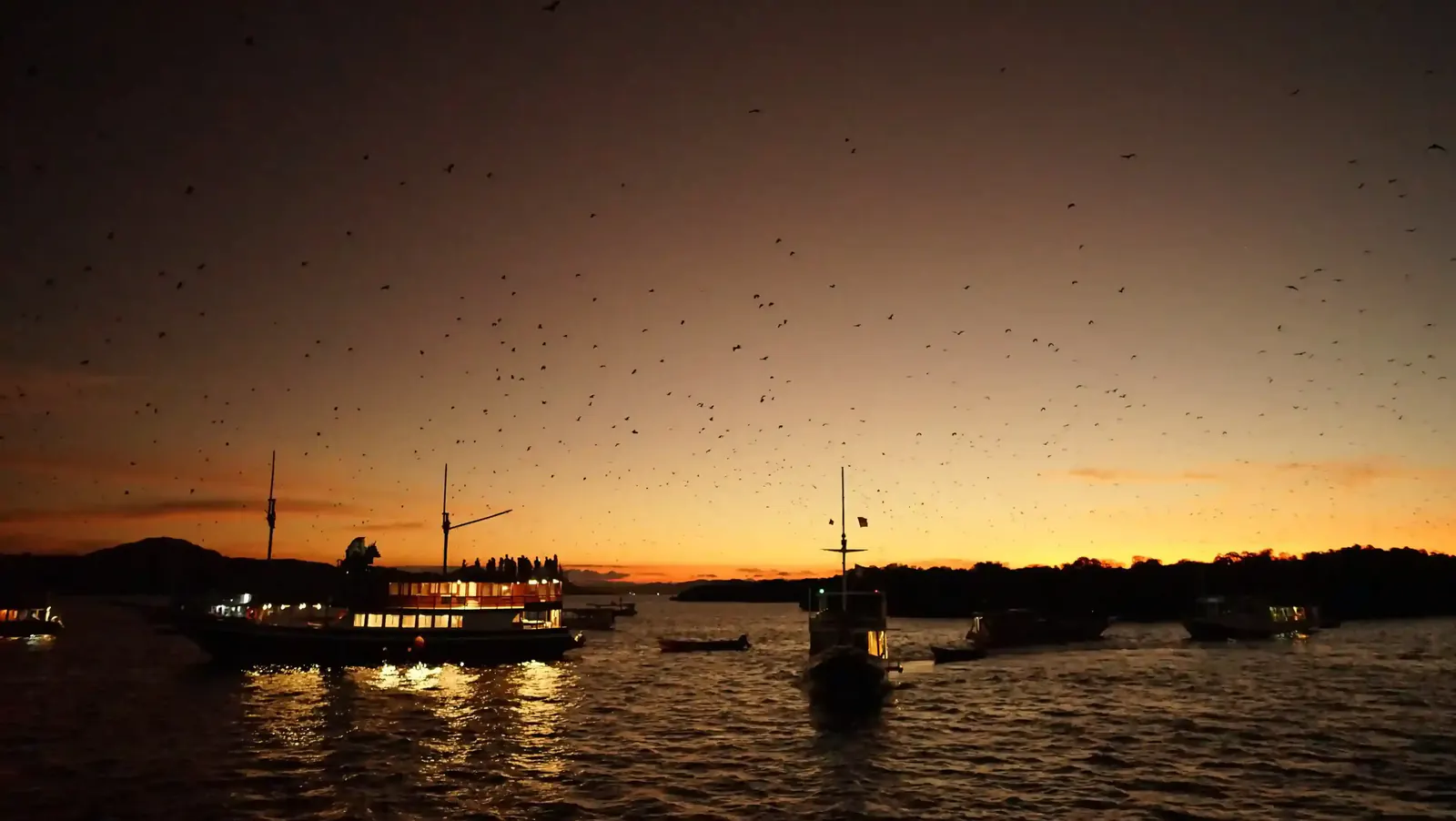
The best time to visit Komodo Island is the dry season, April to December, when the seas are calm, the water is clear, and the trails are firm underfoot. April to June and September to November are the sweet spots — fine weather without the July–August peak crowds. Manta rays appear year-round, while the islands turn green after the wet season.
That is the short answer most travellers need, and the rest of this guide is the detail behind it: how each month actually feels on the water, when the mantas gather, when the crowds swell, and how the new 2026 visitor quota shapes the dates worth securing early. Komodo National Park — named the #2 Most Beautiful Place in the World by Time Out in 2026 — has a clear rhythm of seasons, and understanding it is the difference between a good visit and an effortless one.
We are Bali to Komodo, a tailored-voyage company operated by PT. Komodo Bahari Nusantara within the Juara Holding Group, with our own ground teams in Bali and Labuan Bajo. We sail these waters every week of the operating season, so the guidance here comes from the deck rather than a brochure. This page sits within our broader Bali to Komodo travel guide, where the wider planning questions are each answered in full — and it pairs naturally with our Bali Komodo itinerary guide, which sets out how many days to give the park once you have chosen your season.
Komodo’s two seasons: dry versus wet
Komodo has just two seasons, and almost every timing decision flows from which one you travel in.
The dry season runs from April to December, and it is when the park is at its finest. Skies are largely clear, rainfall is low, the sea is calm, and underwater visibility is at its best — often exceptional. Trails such as the climb on Padar Island are firm and dry, and boat days are smooth from one anchorage to the next. This is the season for which the park’s whole calendar of cruises and tours is built, and the window we recommend to all but the most weather-hardy travellers.
The wet season runs from January to March, brought by the northwest monsoon. Rain comes in heavy, often short bursts, seas can be choppy, and underwater visibility drops as plankton blooms cloud the water. The compensation is a landscape transformed: the savannah hills, brown and golden for most of the year, turn a brief, vivid green, and crowds thin to almost nothing. Some boats reduce sailings or pause for maintenance in these months, and itineraries are more weather-dependent. It is not a season we steer most guests toward, but for photographers drawn to green hills and empty viewpoints — and divers willing to trade visibility for the chance of denser marine life — it has its quiet rewards.
Month-by-month: when to visit Komodo
Within the dry season, the months differ in subtle but meaningful ways. Here is how each part of the year tends to feel.
January to March (wet season). The greenest, quietest months, with the lowest prices but the least reliable weather. Expect rain, choppier crossings, and reduced underwater clarity. Best only for travellers with flexible plans and a specific reason to come now.
April. The season opens. The rains ease, the seas settle, and the hills still hold a little green from the wet months. Crowds are light and the weather is increasingly dependable, making April one of the most rewarding and least busy times to visit. From April 2026, the park’s 1,000-visitor-per-day quota applies, which makes early-season dates worth securing in advance.
May. A superb month: reliably dry, calm seas, excellent visibility, and crowds that have not yet reached their summer peak. May is among the finest windows of the entire year, balancing fine conditions with relative quiet.
June. Conditions remain excellent and the high season begins to build. Seas are calm, water is clear, and the park is busier than spring but not yet at its fullest. A dependable choice for first-time visitors who want certainty in the weather.
July and August. The peak. Weather is at its most reliable — dry, sunny, calm — and these are the most popular months of the year, particularly for European and school-holiday travellers. The trade-off is crowds: the headline viewpoints and dragon landings are at their busiest, and boats and dates book out far ahead. With the daily quota in force, July and August are the months to reserve earliest of all.
September. One of the year’s best-kept secrets: still firmly dry and calm, with the summer crowds beginning to thin. Conditions rival July and August without the congestion, making September a favourite among those who plan with care.
October and November. Fine, settled weather continues, crowds ease further, and the sea stays calm and clear. These shoulder months offer some of the best value-to-conditions of the year, with the park quieter than peak summer yet the weather still dependable.
December. The dry season’s close. Early December often holds fine conditions and brings the start of the manta plankton peak, though the chance of early rain rises toward the month’s end. The festive period sees a short surge in visitors despite the changing weather.
The best months overall
If you want a single recommendation, here it is, drawn from years on the water.
For the ideal combination of fine weather and manageable crowds, travel in April to June or September to November. These shoulder windows give you the calm seas, clear water, and firm trails of the dry season without the intensity of the July–August peak — the conditions are nearly identical, but the viewpoints are quieter and the dates easier to secure. If reliability of weather matters above all and you do not mind company, July and August are the surest months, provided you book well ahead. And if your priority is mantas, the plankton-rich window around December to February raises your odds, with the caveat that it overlaps the start of the wet season. For most travellers building a combined Bali and Komodo trip, the spring and autumn shoulders are the sweet spot.
When to see manta rays and dragons
Two of the park’s signature encounters keep their own calendars, and they are worth planning around.
Manta rays are present in Komodo’s waters year-round, gliding through cleaning stations and feeding channels such as Manta Point. Sightings are reliable in any month, but they peak during the plankton-rich period of roughly December to February, when cooler, nutrient-dense water draws the rays in greater numbers. Travellers for whom mantas are the priority sometimes accept the less settled weather of these months for the improved odds; everyone else can expect good encounters throughout the dry season.
The Komodo dragons are visible all year — they do not migrate, and a ranger-led landing on Komodo or Rinca will find them in any season. There is, however, a worthwhile nuance: the dragons’ mating season falls around July and August, and the months that follow can bring more visible activity. For most visitors the difference is marginal; the dragons are a certainty whenever you come, which is part of what makes the park so dependable a destination. You can read more about each encounter in our Komodo destinations guide.
Crowds, sea conditions and how the 2026 quota changes timing
Beyond weather, two practical factors shape the experience: how many people share the park with you, and how the new quota affects the dates you can secure.
On crowds, the pattern is straightforward — July and August are busiest, the shoulder months of April–June and September–November are noticeably calmer, and the wet season is quietest of all. Since the park’s most photographed moments, such as the Padar sunrise, are best enjoyed with space around you, the shoulder windows offer a real advantage. On sea conditions, the dry season delivers calm, comfortable crossings throughout; the wet season brings choppier water and more weather-dependent days, which matters most for those prone to seasickness or set on the smoothest possible sailing.
The decisive change for 2026 is the visitor quota of 1,000 people per day, in force from April 2026. In practice this means popular dates — peak summer above all, but also weekends and holidays across the dry season — will reach their limit and close to new arrivals. The implication for timing is simple: choosing your dates is no longer enough; you must secure them. Booking well in advance safeguards your access to the park on the days you want, particularly if your trip falls in July or August or over a holiday period. Our entry fee and quota guide explains exactly how the quota and the 2026 fees work, and why advance arrangement has become essential rather than optional.
Let us time your Komodo voyage
Choosing the right season is the first decision of a Komodo trip; securing the right dates within it is the second, and the one the new quota has made urgent.
Tell our concierge when you hope to travel and what matters most to you — fine weather, fewer crowds, the manta peak, or a particular month that suits your wider plans — and we will advise candidly on the best window and arrange every detail around it: the flight from Bali to Labuan Bajo, the boat matched to your party, the park access secured against the quota, and the timing paced so the days flow. You have a single point of contact, reachable around the clock. Begin your enquiry on WhatsApp, write to [email protected], or explore our Komodo trip packages and cruise collection to see how a voyage in your chosen season takes shape.
Frequently Asked Questions
What is the best time of year to visit Komodo Island?
The best time is the dry season, April to December, when seas are calm, water is clear, and trails are firm. The shoulder windows of April to June and September to November are ideal, offering fine weather without the July–August peak crowds. The wet season, January to March, brings rain, choppier seas, and reduced visibility, though greener hills and fewer people.
Are July and August good months for Komodo?
Yes — July and August offer the year’s most reliable dry, sunny, calm weather, which is why they are the peak season. The trade-off is crowds: viewpoints and dragon landings are busiest, and boats book out far ahead. With the 1,000-visitor daily quota in force from April 2026, these are the months to reserve earliest of all to secure your access.
What is the weather like in Komodo in April and May?
April opens the dry season as the rains ease and seas settle, with light crowds and a little remaining green on the hills. May is superb — reliably dry, with calm seas, excellent underwater visibility, and crowds that have not yet peaked. Both months are among the most rewarding times to visit, balancing fine conditions with relative quiet.
When is the best time to see manta rays in Komodo?
Manta rays are present year-round and reliably seen at sites such as Manta Point in any month. They peak during the plankton-rich period of roughly December to February, when nutrient-dense water draws greater numbers. If mantas are your priority, that window improves your odds, though it overlaps the start of the wet season; otherwise, expect good encounters throughout the dry season.
Can you visit Komodo in the wet season?
You can. From January to March the park stays open, prices are lower, the hills turn vivid green, and crowds are at their thinnest. The cost is heavier rain, choppier seas, and reduced underwater visibility, with some boats reducing sailings. It suits flexible travellers, photographers drawn to green landscapes, and divers willing to trade clarity for denser marine life.
How does the 2026 quota affect when I should book Komodo?
From April 2026, Komodo National Park admits only 1,000 visitors per day, so popular dates — peak summer, weekends, and holidays — will reach the limit and close. Choosing your season is no longer enough; you must secure your dates in advance. Booking early safeguards your park access as well as your flights and boat, particularly in July and August.
Continue planning