
What to Pack for Komodo Island: The Curated 2026 List
What to pack for Komodo Island in 2026: a curated packing list covering clothing, trekking footwear, sun protection, snorkel gear, dry bags and medication —…
Updated October 2026 · by the Bali to Komodo concierge team
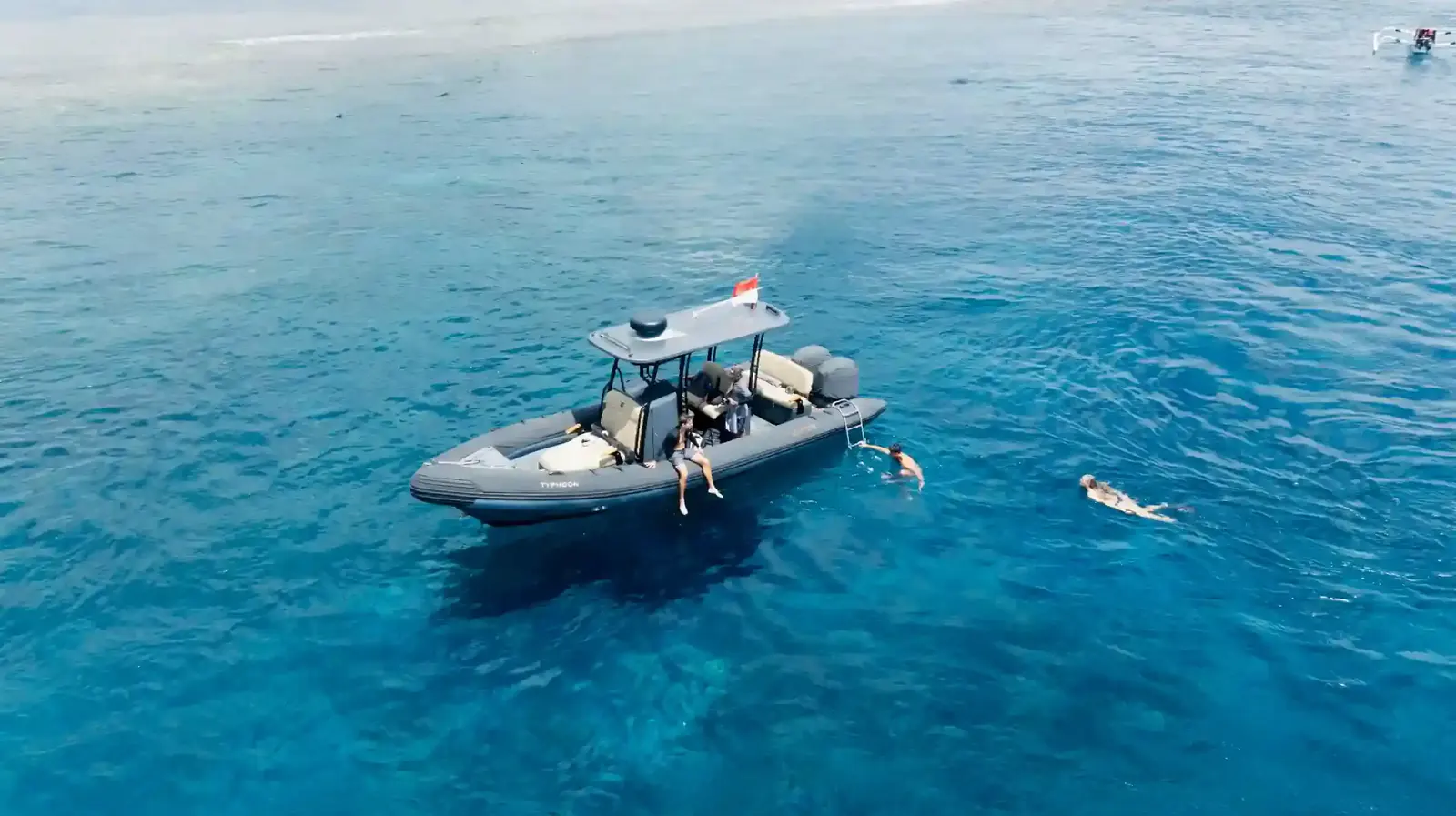
For Komodo Island in 2026, pack light, breathable clothing, sturdy closed trekking shoes, high-SPF reef-safe sunscreen, a wide-brimmed hat and sunglasses, a refillable water bottle, your own snorkel set, a dry bag for electronics, and seasickness tablets. The climate is hot and dry from April to December, so sun protection and hydration matter more than warm layers.
That is the essential answer, given first. Below we expand it into a properly curated packing list, organised by category, with the small refinements that separate a comfortable visit from a flustered one. We also set out plainly what we provide onboard, so you do not over-pack, and what you are genuinely better off leaving at home. This guide sits within our wider Komodo travel guide hub, where planning, timing and entry rules are covered in full.
We are Bali to Komodo, a tailored-voyage company operated by PT. Komodo Bahari Nusantara within the Juara Holding Group, with our own ground teams in Bali and Labuan Bajo. The advice here comes from years of sending guests into the park in every season, and from noticing what they wished they had brought — and what they carried for nothing.
How to pack for Komodo Island, step by step
Packing well for the park is less about quantity than sequence: build from the feet up, layer for sun rather than cold, and protect anything electronic from salt water. The list below follows the order we recommend, so nothing essential is overlooked.
1. Clothing for heat, sun and sea spray
Komodo’s dry season is hot, bright and humid, and almost everything you do happens outdoors, on the water or on an exposed ridgeline. Choose lightweight, quick-drying fabrics over cotton, which clings and stays damp.
Pack two or three breathable shirts — at least one long-sleeved for sun cover on deck and during the dragon walks — together with shorts and one pair of light long trousers. A long-sleeved rash guard is invaluable for snorkelling, sparing your back and shoulders the worst of the equatorial sun. Bring two swimsuits so one can dry while you wear the other, a light sarong or quick-dry towel, and a single warm layer: mornings at sea and the pre-dawn climb up Padar Island can feel surprisingly cool in the wind, and a thin fleece or windbreaker covers it. Modest, comfortable clothing also serves you well at the harbour and in Labuan Bajo town.
2. Footwear for treks and decks
Footwear is where travellers most often go wrong, so it deserves its own consideration. The trails to see the Komodo dragons on Komodo Island and Rinca, and the climb at Padar, cross dry, rocky, sometimes loose ground.
Bring sturdy closed shoes with grip — trail runners or light hiking shoes are ideal — for the walks and viewpoints. Wearing flip-flops on the Padar ridge or a dragon trail is the most common packing mistake we see, and an easily avoided one. Add a pair of sandals or reef shoes for the boat, the beaches and the wet landings, since you will often step from a tender into shallow water. That two-pair system — one closed and grippy, one open and quick-drying — covers every surface the park asks you to cross.
3. Sun protection and hydration
This close to the equator the sun is unrelenting, and the breeze on the water disguises just how strong it is. Sun protection is not optional here; it is the single most important category after footwear.
Pack a high-SPF reef-safe sunscreen — reef-safe formulas matter in a marine national park and protect the coral you have come to see — along with a wide-brimmed hat, polarised sunglasses, and a lip balm with SPF. Reapply more often than you think you need to. Bring a refillable water bottle and drink steadily through the day; dehydration creeps up quietly in the heat, and staying ahead of it keeps the long days enjoyable rather than draining. We keep drinking water available onboard for refills.
4. Snorkel and dive gear
Komodo’s underwater world is the equal of its landscapes, and you will want to be in it often. While gear is available, bringing your own raises the comfort considerably.
If you have a mask and snorkel that fit you well, bring them — a personal mask that seals properly transforms the experience, and well-fitting fins help in the park’s occasional currents. A rash guard or thin wetsuit top adds sun cover and a little warmth on longer swims. Certified divers should bring their certification card and logbook; for guided dives we arrange tanks, weights and a dive guide, so there is no need to travel with heavy kit. If you snorkel only occasionally, you may prefer to use the sets we provide and pack lighter.
5. Electronics, dry bags and documents
Salt water and fine sand are the enemies of every device you bring, so protection here is about prevention rather than cure. A little planning keeps your photographs and essentials safe across the wettest days.
Bring a dry bag — even a small one — to keep your phone, camera, passport and cash safe on tenders and wet landings; this is the accessory guests most often forget and most often wish they had. Add a power bank, since long days away from a socket drain batteries quickly, and a universal adaptor for Indonesia’s plugs. A waterproof phone pouch is useful for casual snorkelling shots. Carry a printed and digital copy of your passport, your travel insurance details, and any booking confirmations, along with enough Indonesian rupiah in cash for incidentals, as card facilities are limited once you leave Labuan Bajo.
6. Medication, seasickness and a small first-aid kit
A few small health items spare you a great deal of discomfort, and they weigh almost nothing. Pack them early so they are not the thing left on the bedside table.
Bring any personal prescription medication in its original packaging, plus seasickness tablets — the open crossings can be lively, and even good sailors are glad of them — and motion-sickness bands if you are sensitive. Add a basic kit of plasters, antiseptic, paracetamol, rehydration sachets, antihistamines and any anti-diarrhoeal medication, together with insect repellent for dawn and dusk ashore. Our vessels carry a first-aid kit and our crews are trained in its use, but personal medication and your preferred seasickness remedy are always best brought from home.
What we provide onboard
So that you can pack lightly and with confidence, it helps to know what you will not need to carry. On our cruises and private charters we provide drinking water for refills, snorkelling equipment, towels onboard, a first-aid kit, and life jackets, with meals and soft drinks included according to your itinerary. Cabins on our liveaboards and yachts come with bedding and the essentials of comfort. For divers, we arrange tanks, weights and guides, so you need only bring your certification and, if you wish, your personal mask. Full details of what each vessel includes are set out across our Komodo cruise collection.
What not to bring
A short list of restraint will serve you well. Leave behind heavy hard-shell suitcases, which are awkward on boats and tenders — a soft duffel or backpack stows far more easily. There is no need for formal clothing or smart shoes; the register here is relaxed and practical throughout. Skip single-use plastics where you can, in keeping with the park’s conservation ethos, and avoid bringing valuables or jewellery you would be anxious to lose at sea. Above all, resist over-packing: the days are simple, the dress code is sun and swim, and a lighter bag is a genuine pleasure on a small boat.
Letting us arrange the details
Packing is the easy part once the trip itself is well planned — and the planning is precisely what we handle so the rest falls into place. Tell our concierge your dates and the kind of voyage you have in mind, and we will match the vessel, the timing and the route to you, then send a tailored pre-departure note covering exactly what to bring for your itinerary and season. One practical reminder that argues for planning ahead: from April 2026, Komodo National Park applies a visitor quota of 1,000 people per day, so arranging your trip early safeguards your access as well as your dates.
For timing your visit to the finest weather and conditions, see our guide to the best time to visit Komodo; to fold the park into a fuller journey, explore a tailored Bali and Komodo itinerary. When you are ready, speak to a Komodo specialist on WhatsApp or write to [email protected], and we will arrange your voyage end to end.
Frequently Asked Questions
What should I wear on Komodo Island?
Wear lightweight, quick-drying clothing suited to heat and sun: breathable shirts including one long-sleeved layer, shorts, light trousers, and a swimsuit beneath. Add a wide-brimmed hat and sunglasses, and bring one thin warm layer for cool, windy mornings at sea and the pre-dawn Padar climb. Modest, comfortable clothing serves best across treks, decks and town.
What shoes are best for Komodo Island?
Bring two pairs: sturdy closed shoes with grip — trail runners or light hiking shoes — for the rocky dragon trails and the Padar viewpoint, plus sandals or reef shoes for the boat, beaches and wet landings. Flip-flops alone are the most common mistake, as the trails are dry, loose and uneven. Closed, grippy footwear keeps every walk safe and comfortable.
Do I need to bring my own snorkel gear to Komodo?
You do not have to, as we provide snorkelling equipment onboard, but a personal mask that seals well genuinely improves the experience. If you snorkel often, bring your own mask, snorkel and fins; certified divers should bring their certification card and logbook, while we supply tanks, weights and a dive guide. Occasional snorkellers can travel lighter and use our sets.
What should I pack for seasickness in Komodo?
Pack seasickness tablets and, if you are sensitive, motion-sickness wristbands, taken before the open crossings rather than after symptoms begin. Even confident sailors are glad of them on livelier stretches between islands. Bring your preferred remedy from home alongside any personal medication in its original packaging; our vessels carry a first-aid kit, but personal seasickness treatment is best brought yourself.
Do I need cash on a Komodo trip?
Yes. Carry enough Indonesian rupiah in cash for incidentals, tips and small purchases, as card facilities are limited once you leave Labuan Bajo and unavailable at sea. Keep your cash, passport and phone in a dry bag for tenders and wet landings. We recommend a printed and digital copy of your passport, insurance details and booking confirmations as well.
Is sunscreen necessary in Komodo National Park?
Sunscreen is essential. So close to the equator the sun is intense, and the breeze on the water hides its strength, making it the most important item after footwear. Choose a high-SPF reef-safe formula to protect both your skin and the coral, and reapply often. Pair it with a wide-brimmed hat, polarised sunglasses and an SPF lip balm for full protection.
Continue planning