
What to Pack for a Raja Ampat Liveaboard: A Practical Guide for Divers and Snorkellers
For a liveaboard yacht charter in Raja Ampat, departing from Sorong, pack light, fast-dry, and reef-safe items in a soft-sided bag of 40 litres or less. Prioritise sun…
July 9, 2026 · 6 min read
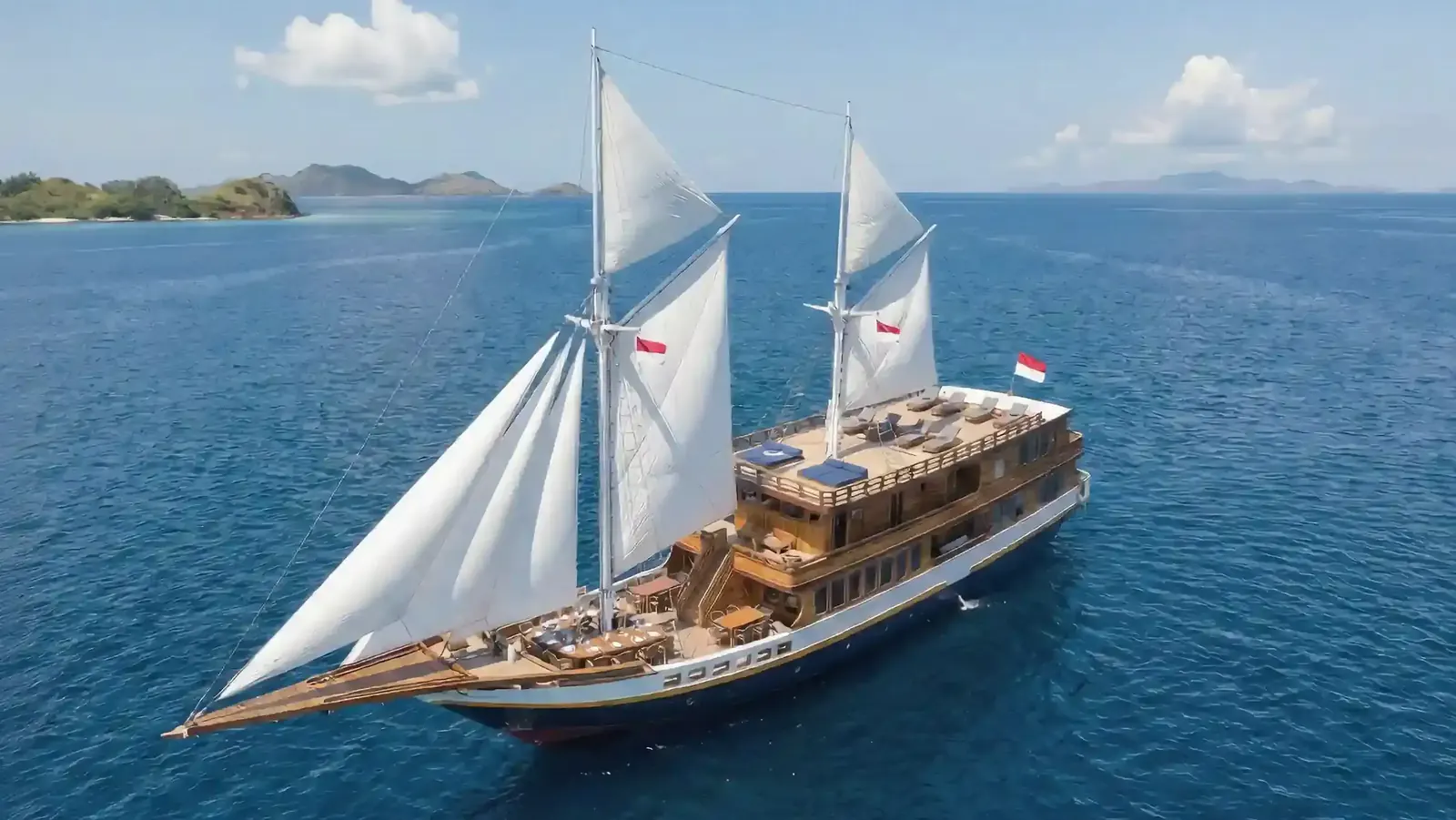
For a liveaboard yacht charter in Raja Ampat, departing from Sorong, pack light, fast-dry, and reef-safe items in a soft-sided bag of 40 litres or less. Prioritise sun protection, humidity control, and compact marine gear for the tropical, all-inclusive diving and snorkelling environment. Think practical, quick-drying essentials to maximise comfort and minimise environmental impact.
Understanding the Raja Ampat Liveaboard Environment
A liveaboard journey through Raja Ampat is an immersive experience focused on marine exploration and natural beauty. Unlike resort holidays, space is at a premium, and the environment is constantly humid and saltwater-rich. Your packing strategy must reflect these realities. The aim is efficiency, durability, and minimal environmental footprint. Forget heavy luggage; think soft bags that can be stowed away easily. This isn’t a cruise liner; it’s a floating base for adventure, where practicality trumps luxury in terms of what you bring.
2027 note: Regulations in Raja Ampat continue to emphasise environmental protection. Specifically, the use of reef-safe sunscreens (zinc-based, biodegradable, free of oxybenzone and octinoxate) is now strictly enforced within the Marine Park, reflecting a global trend towards preserving fragile coral ecosystems. Furthermore, the push for reducing single-use plastics means reusable water bottles are more essential than ever, with many liveaboards providing filtered water refill stations.
The Essential Soft-Sided Bag: Your Primary Luggage
Your choice of luggage is paramount. Hard-sided suitcases are impractical on liveaboards due to cramped storage in cabins and communal areas. A soft-sided duffel bag or backpack, ideally 40 litres or less, is the only sensible option. This allows for easy compression and stowing under bunks or in small lockers. Remember, you’ll be living out of this bag for the duration, so accessibility and compactness are key. Overpacking will hinder your experience and create unnecessary clutter for both you and your fellow passengers.
Clothing: Quick-Dry, Lightweight, and Protective
The tropical climate of Raja Ampat dictates your wardrobe. Think quick-dry fabrics that can be washed and dried rapidly, often overnight. Cotton is generally discouraged as it retains moisture, takes ages to dry, and can feel heavy in humidity. Focus on synthetic blends or merino wool if you prefer natural fibres. Layers are useful for sun protection during the day and a slight chill in the evenings, though significant temperature drops are rare.
- 2–3 Short-sleeve shirts: Lightweight, quick-dry, breathable.
- 2 Shorts: For casual wear around the boat and shore excursions.
- 1 Light long-sleeve shirt: Crucial for sun protection during surface intervals, snorkelling, or simply relaxing on deck. Opt for UV-protective material.
- 1 Swimsuit: Or two, if you prefer to have a dry one readily available.
- Light rain jacket: A packable, unlined jacket for sudden tropical downpours.
- Casual evening wear: There is no need for formal attire; casual comfort is the standard.
Sun Protection: Non-Negotiable for Tropical Waters
The equatorial sun in Raja Ampat is intense, and you’ll spend extended periods on open decks or in the water. Adequate sun protection is not merely advisable; it is essential for your health and comfort. Furthermore, marine park regulations require reef-safe products to protect the coral. This is a critical point that cannot be overstated.
- Reef-safe, biodegradable sunscreen (SPF 50+): Zinc-based is recommended. Ensure it is free from oxybenzone and octinoxate.
- Wide-brim sun hat: Provides excellent coverage for your face, ears, and neck. A chin strap is useful to prevent it from blowing off.
- UV-blocking sunglasses: Polarised lenses are beneficial for reducing glare on the water.
- Rash guard/long-sleeve swim shirt: An excellent alternative or addition to sunscreen, especially for prolonged water activities.
Footwear: Practicality Over Fashion
You’ll primarily be barefoot on the boat or wearing simple, water-friendly footwear. Heavy shoes are unnecessary and take up valuable space. Your footwear needs to handle wet conditions, slippery decks, and occasional beach landings.
- Lightweight waterproof sandals: Tevas or similar styles are ideal for wet landings, boat decks, and general wear. Avoid flimsy flip-flops which can be a tripping hazard on a moving vessel.
- Water shoes (optional): Useful for walking on rocky beaches or entering the water from shore if you prefer more protection than sandals.
Marine Gear and Photography: Compact and Protected
While most liveaboards provide basic snorkelling gear and dive equipment for hire, many prefer to bring their own for comfort and familiarity. If you are a keen photographer, consider the challenges of the marine environment.
- Swim mask & snorkel: Optional, but a personal, well-fitting set enhances the experience.
- Underwater camera + waterproof case: Compact models are best. Avoid heavy DSLRs with bulky housings unless you are a professional with dedicated storage and charging solutions. Humidity is a constant factor.
- Dry bag (10–20L): Indispensable for protecting electronics, wallets, and documents during dinghy transfers to and from dive sites or shore excursions.
Health, Hygiene, and Comfort: Battling Humidity and Marine Life
The tropical marine environment presents specific challenges to personal comfort and hygiene. Proactive measures can prevent minor annoyances from becoming major issues.
| Item | Purpose |
|---|---|
| Reusable water bottle | Stay hydrated; reduce plastic waste. Refill from onboard filtered water. |
| Nightlight or headlamp | Soft LED for navigating cabins at night without disturbing others. |
| Sea-breeze or anti-fungal spray | Combat humidity-related skin irritation or fungal issues. |
| Small first-aid kit | Antiseptic wipes, bandages, blister pads, motion sickness tablets (if prone), pain relief. |
| Quick-dry microfiber towel | Cabins provide towels, but a personal quick-dry towel is useful for excursions. |
| Reef-friendly toiletries | Biodegradable shampoo, conditioner, body wash (no phosphates). |
| Power bank (10,000mAh+) | Limited cabin charging ports; ensures device power. |
Items to Leave at Home: Space, Safety, and Practicality
Just as important as what to pack is what NOT to pack. Reducing unnecessary items is crucial for your comfort and the smooth operation of the liveaboard.
- No high-power electronics: Laptops, gaming consoles, or other large electronics are generally unnecessary. Power is limited, humidity is high, and space is precious. Embrace the digital detox.
- No heavy jewelry: Metal corrodes quickly in saltwater, and jewellery can be lost easily during water activities.
- No cotton towels: They take too long to dry in humid conditions. Stick to microfiber.
- No hairdryer: Liveaboards generally do not provide them, and their high power draw is unsuitable for boat electrical systems.
- No formal wear: The liveaboard environment is inherently casual.
- No hard-sided luggage: As mentioned, these are logistical nightmares on a boat.
Final Considerations: Documents and Cash
Beyond the physical items, ensure you have all necessary travel documents and a small amount of local currency.
- Passport and visa (if required): Always keep these in a dry bag.
- Dive certification cards: PADI, SSI, or equivalent.
- Travel and dive insurance details: Essential for any unforeseen circumstances.
- Local currency (Indonesian Rupiah): Small denominations for incidentals, tips, or purchases from local vendors if applicable.
FAQ
Do I need to bring my own dive gear?
While most Raja Ampat liveaboards offer rental dive gear, many experienced divers prefer to bring their own mask, fins, and dive computer for comfort and familiarity. Regulators and BCDs are often available for rent, but confirming availability and cost with your specific liveaboard operator beforehand is always wise.
Is there Wi-Fi on liveaboards in Raja Ampat?
Connectivity in Raja Ampat is generally limited. Some liveaboards may offer satellite Wi-Fi for a fee, but it is often slow and unreliable due to the remote nature of the region. It’s best to anticipate being largely offline and view it as an opportunity to disconnect and enjoy the stunning environment.
What about seasickness?
Raja Ampat waters can be calm, but open sea crossings can occasionally be choppy. If you are prone to seasickness, bring your preferred motion sickness medication (e.g., tablets, patches) and consider preventative measures like ginger chews. Consult your doctor before travel if you have concerns.
Continue planning