
Komodo Dragon Safety: The Facts Behind the Fear
Are Komodo dragons dangerous? The verified facts on attacks, behaviour and how ranger-guided visits keep you safe. A calm, factual 2026 briefing.
May 3, 2026 · 5 min read
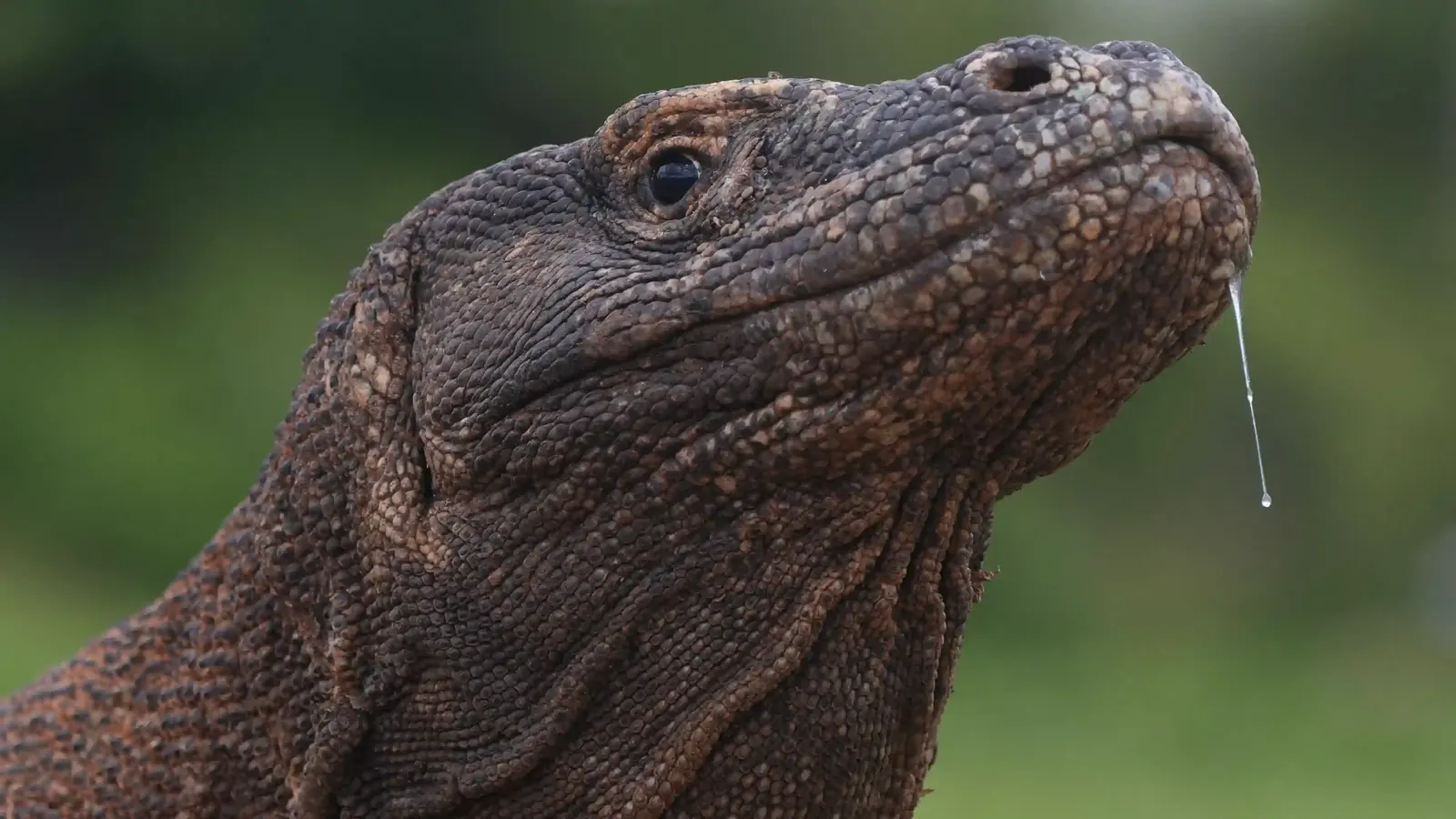
Komodo dragons are wild predators, yet a guided visit is remarkably safe. Park records note only 36 bites and five fatalities between 1974 and 2023, and almost all involved residents or rangers in close daily contact, not tourists. With a licensed ranger leading every trek and a few simple rules observed, your risk is close to zero.
That single statistic reframes the entire conversation. The Komodo dragon has become shorthand for danger in documentaries and headlines, and the apprehension is understandable. The world’s largest living lizard reaches three metres, weighs up to 90 kilograms, and carries venom glands that lower a victim’s blood pressure. Confront those facts in isolation and a visit sounds reckless. Set them against half a century of managed tourism, with millions of guests walking the same trails without incident, and a calmer truth emerges: respect, not fear, is what the encounter asks of you.
How rare are attacks, really
Komodo National Park has welcomed visitors since the 1970s, and the National Park Authority keeps a long record of every reported incident. Across roughly five decades, the documented figure remains 36 bites and five deaths. To put that in perspective, the park now receives hundreds of thousands of guests each year. The overwhelming majority of those rare events befell people who live and work among the dragons, foraging villagers or rangers who spend years in close proximity, rather than day visitors following a guide.
The reason is not luck. It is design. Independent hiking is not permitted anywhere in the park. Every group walks with at least one ranger, often two, who read the animals’ body language, choose the route, and maintain a safe buffer at all times. The dragons themselves are ambush predators, not pursuers; they conserve energy and rarely show interest in upright, moving humans. A composed visitor walking with a guide simply does not register as prey.
For the full picture of where these animals live and how to plan a visit, our Komodo Island destination guide covers the trekking routes, the ranger stations, and what a typical morning on the island involves.
Understanding the dragon’s behaviour
Knowing how a Komodo dragon thinks dissolves much of the unease. These reptiles are cold-blooded and spend the cooler hours basking to raise their body temperature; they are most active in the morning before the midday heat, which is precisely when guided treks are scheduled. They detect carrion and prey through an extraordinary sense of smell, flicking the forked tongue to taste the air, and they can sense a meal from kilometres away.
Their hunting style is patience, not pursuit. A dragon will lie still, wait, and strike at close range, relying on a powerful bite and venom rather than a chase. This matters for visitors because the danger is almost entirely a matter of proximity and surprise. Keep your distance, stay visible, and move calmly, and you remove the only conditions under which an incident becomes possible. Females guarding nests and dragons feeding on a kill are the two situations rangers steer groups firmly away from, and they will adjust the route without hesitation when they spot either.
A long-debunked myth deserves correction here: the dragons are not drugged or sedated for tourists, a question rangers field often. They are wild, free-roaming animals, and the calm you observe is simply their natural temperament between feeds.
What the ranger system does for you
The ranger-guided model is the heart of Komodo’s safety record. Before any trek, your group is briefed and assigned guides who carry a long forked stick, used to gently redirect any dragon that wanders too close. Minimum distances of three to five metres are enforced, and rangers position themselves between guests and any animal in view.
These guides are not merely escorts. Many have spent their working lives on the islands and know individual dragons by sight and habit. They choose paths that avoid nesting sites and recent kills, they pace the group to avoid crowding a basking animal, and they decide in real time when to pause, detour, or turn back. Following their instruction is the single most important thing you can do, and it reduces an already small risk to a negligible one.
Visiting nearby Rinca offers the same protected experience in a wilder, less-trodden landscape; our Rinca Island guide explains how the trek there compares and why some travellers prefer its quieter trails.
What to do, and what not to do
The rules are few and easy to honour:
- Stay with your ranger at all times. Never wander off the group or attempt a trail alone.
- Keep the distance the ranger sets. Three to five metres is the minimum; let the guide judge.
- Move calmly and stay upright. Sudden movements and crouching can read as unusual; walk steadily.
- Keep silent and unhurried near a dragon. Let it pass; do not crowd it for a photograph.
- Never feed or attempt to touch an animal. It is illegal, and it endangers you and the dragon.
- Tell your ranger if you have an open wound. Dragons are drawn to the scent of blood; menstruating guests should also inform the guide, who will simply position the group accordingly.
- Wear closed walking shoes and bring water. The terrain is dry and uneven, and the heat is the more common discomfort than any reptile.
Follow these, and the experience becomes what it should be: a privileged, unhurried encounter with a living relic of the age of dinosaurs, observed in the wild from a respectful distance.
A safe encounter, perfectly arranged
The dragons command respect, and respect is the entire price of admission. Handled properly, with a licensed ranger and a calm, informed approach, a Komodo visit is among the safest wildlife encounters in Asia, far less hazardous than the drive to many a national park elsewhere. The fear, in the end, outpaces the facts.
We arrange this encounter as part of every tailored Bali to Komodo voyage, with the right rangers, the right timing, and the quiet logistics handled so you simply arrive and walk. To plan your own journey to the dragons, begin at our homepage or speak with a Komodo specialist directly. Reach our concierge any time on WhatsApp or by email at [email protected], and we will tailor the timing, the route, and the entire experience around you.
Continue planning